RTX 3090 vs RTX 4090 vs RTX 5090 for AI (2026)
RTX 3090 vs 4090 vs 5090 for local AI: verified specs, VRAM, memory bandwidth, the real performance gap, and which 24GB-or-more card is actually worth buying in 2026.
📋 This article contains affiliate links. We may earn a small commission at no extra cost to you.
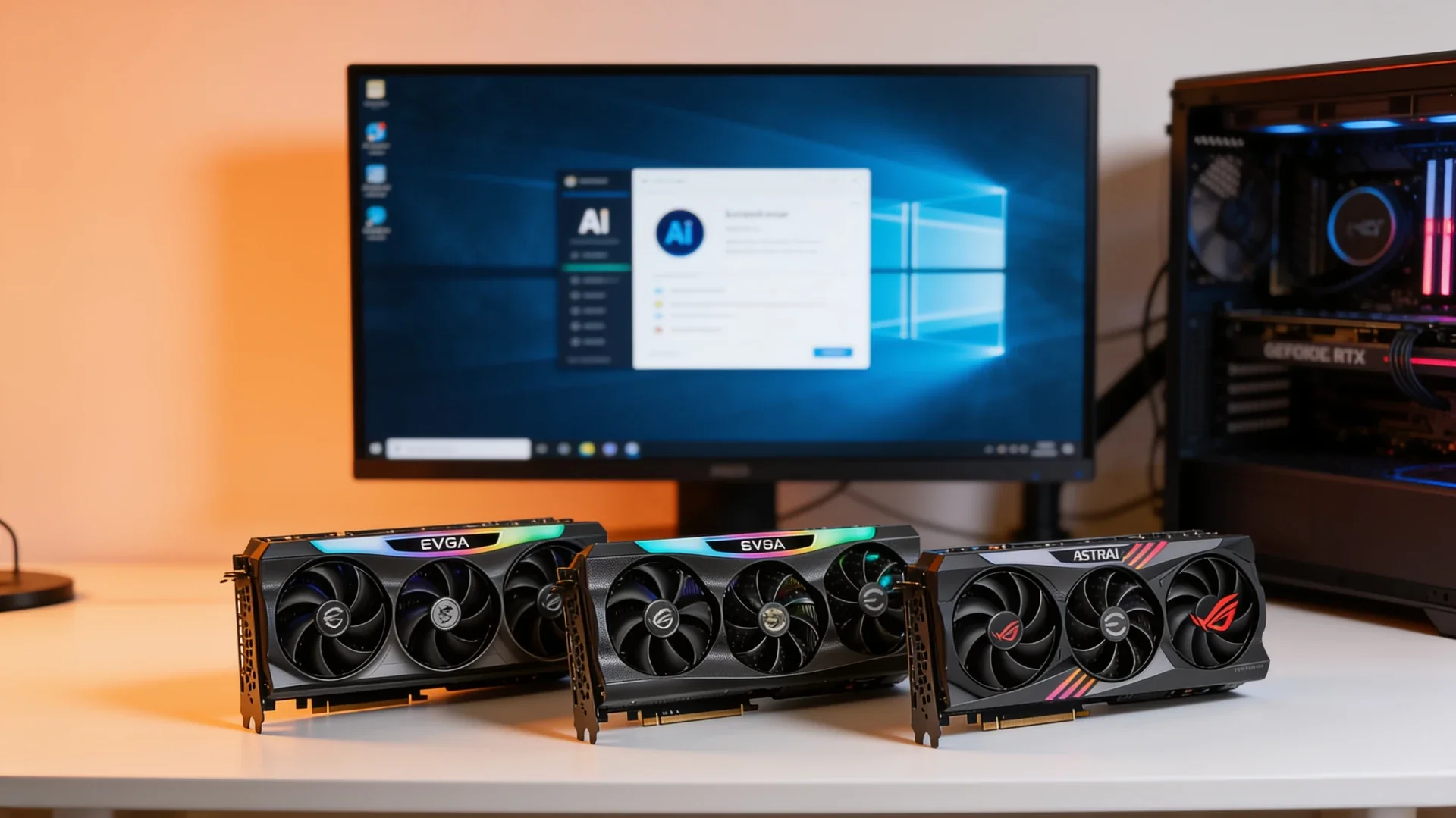
Current product picks
These are current Amazon listings for the GPUs discussed in this guide. Amazon pricing can move faster than the market, especially for discontinued and halo cards.
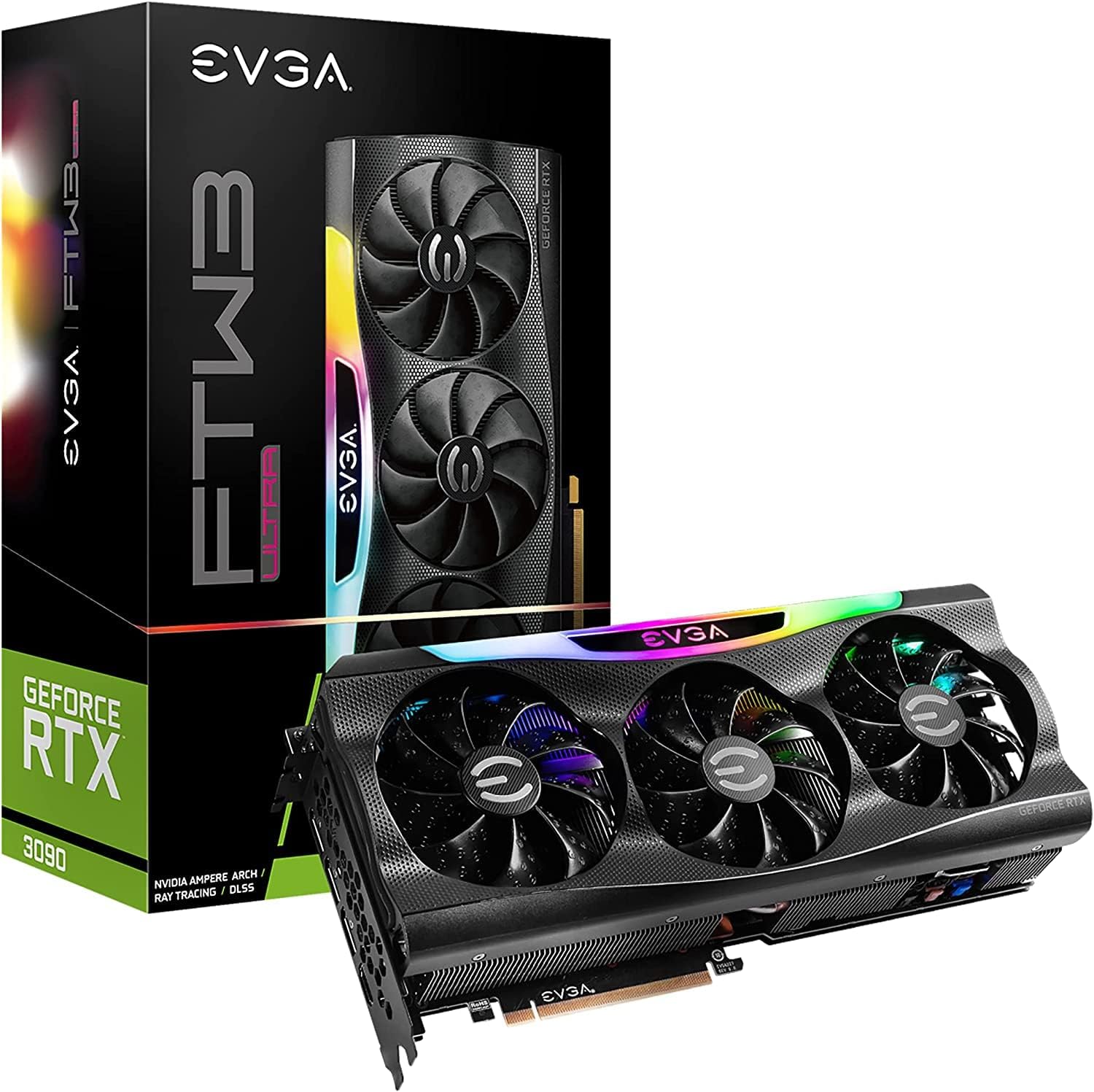
EVGA GeForce RTX 3090 FTW3 Ultra Gaming (Renewed)
Lowest-priced of these three linked listings when checked 2026-07-11, but compare it with new 24GB AMD cards before calling it the market-wide value winner.
- VRAM
- 24GB GDDR6X
- Current listing
- ~$1,500-1,700 used
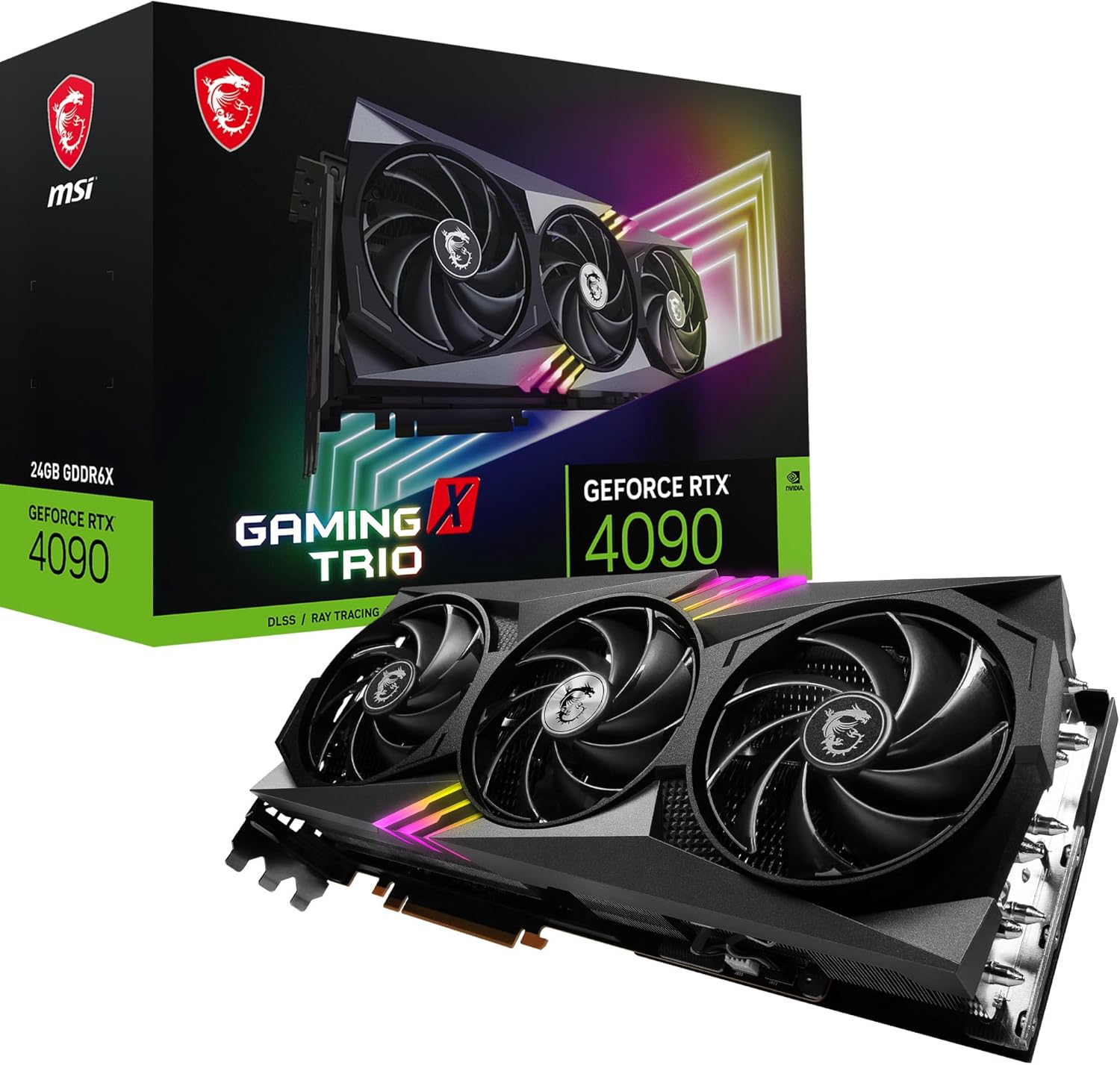
MSI GeForce RTX 4090 Gaming X Trio 24G
Faster than a 3090 but new listings are collector-priced since the 5090 launched. Only buy used, and only if the premium over a 3090 is worth it to you.
- VRAM
- 24GB GDDR6X
- Current listing
- ~$3,400-3,600
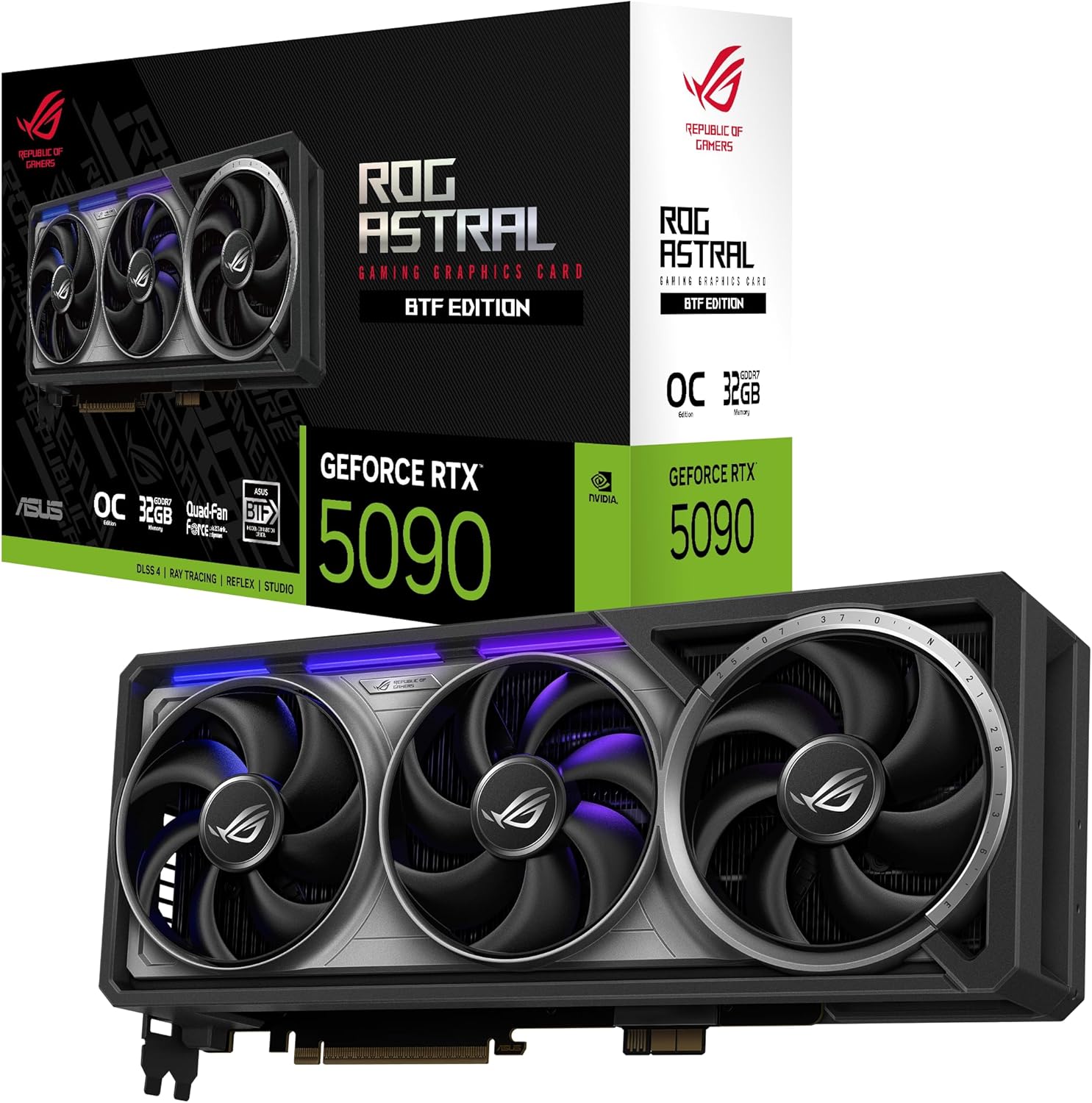
ASUS ROG Astral GeForce RTX 5090 32GB GDDR7
The only one here with 32GB and FP4, but the linked listing was roughly $4,100-4,300 when checked 2026-07-11.
- VRAM
- 32GB GDDR7
- Current listing
- ~$4,100-4,300
This article contains affiliate links. We may earn a small commission at no extra cost to you. All specs are verified against published data.
Quick answer
Among the linked listings checked in July 2026, the renewed RTX 3090 is the lower-cost 24GB CUDA option and the RTX 4090 is collector-priced. Buy an RTX 5090 only when 32GB on one card is a concrete requirement. Compare current checkout prices before deciding; this is not a permanent value ranking.
These are the three NVIDIA cards local AI buyers actually cross-shop when they want serious VRAM. The 3090 (Ampere), 4090 (Ada Lovelace), and 5090 (Blackwell) span three generations, but two of them share the same 24GB capacity — so the decision is less about “newest is best” and more about what VRAM tier you need and what you are willing to pay.
If you have not picked a VRAM target yet, read the VRAM requirements guide first. For the two-flagship matchup in isolation, see RTX 5090 vs RTX 4090.
The Specs That Matter
| Spec | RTX 3090 | RTX 4090 | RTX 5090 |
|---|---|---|---|
| VRAM | 24GB GDDR6X | 24GB GDDR6X | 32GB GDDR7 |
| Memory bandwidth | 936 GB/s | 1,008 GB/s | 1,792 GB/s |
| CUDA cores | 10,496 | 16,384 | 21,760 |
| Tensor cores | 328 (3rd gen) | 512 (4th gen) | 680 (5th gen) |
| Memory bus | 384-bit | 384-bit | 512-bit |
| TDP | 350W | 450W | 575W |
| Native FP4 | No | No | Yes |
| MSRP (launch) | $1,499 | $1,599 | $1,999 |
| Linked-listing range reviewed July 2026 | ~$1,500–1,700 renewed | ~$3,400–3,600 new | ~$4,100–4,300 new |
Two numbers drive local inference: VRAM (what model fits) and memory bandwidth (how fast tokens generate). On VRAM, the 3090 and 4090 are tied at 24GB — the 5090 is the only one that breaks past it to 32GB. On bandwidth, each generation steps up, and the 5090’s jump to 1,792 GB/s is the headline reason it generates tokens so much faster.
The Performance Gap, Honestly
The gaps are not evenly spaced:
- 3090 → 4090: a modest step. On models that fit both cards, the 4090 is roughly 15–30% faster at token generation, thanks to higher bandwidth and more compute. Same 24GB ceiling, so it runs the same models — just quicker.
- 4090 → 5090: a large step. Community testing puts the 5090 at roughly 1.5–2x a 4090 on larger models, and the 32GB lets it run things neither 24GB card can. The bandwidth nearly doubles.
So on the cards’ shared 24GB tier, the 3090 already does the job; the 4090 is a speed upgrade, not a capability one. The 5090 is the only card here that changes what you can run, not just how fast.
For perspective from community/independent testing on an 8B model, all three clear 100+ tokens/second — far past reading speed — so for everyday chat the differences are “fast” vs “faster.” The gaps matter most on 30B+ models, long context, and batch work.
What 32GB Buys You
The 5090’s extra 8GB is the only real capability difference in this lineup. It matters when you:
- run 30B+ models at higher quantization instead of squeezing them to Q4
- need long context across many documents or files, which costs gigabytes of KV cache
- do heavier image or video generation that benefits from the memory and bandwidth
- want to run a model plus a second model (embeddings, a coder, a vision model) at once
If none of those describe you, 24GB is enough — and the 3090 delivers it cheapest.
The Pricing Reality (Mid-2026)
This is where the decision actually gets made:
- RTX 3090: the linked renewed range was roughly $1,500-1,700 when checked 2026-07-11. Private-market offers may be lower, but condition and return terms vary; compare the exact offer with new 24GB AMD cards.
- RTX 4090: awkward. New listings have drifted to collector pricing since the 5090 launched, which makes a new 4090 poor value. A used 4090 is reasonable if the premium over a 3090 buys you speed you actually need.
- RTX 5090: the linked range was roughly $4,100-4,300, more than twice MSRP. It is the only 32GB consumer option here, but this listing is poor value.
The pattern: the 3090 wins price/performance, the 5090 wins capability, and the 4090 is squeezed between a cheaper 24GB card and a far faster 32GB one.
Who Should Buy Which
- Buy a used RTX 3090 if you want the most VRAM per dollar and 24GB covers your models — the default pick for most local AI builders. Follow a used-buying checklist.
- Buy a used RTX 4090 only if you find one well below new-flagship pricing and you specifically want its speed edge over a 3090 at the same 24GB. Skip new 4090s at collector prices.
- Buy an RTX 5090 only if you need 32GB on one card and find an offer materially below the linked range.
Best value · 24GB
EVGA RTX 3090 FTW3 Ultra (Renewed)
Same 24GB capacity as the 4090 at a lower linked-listing price, with used/renewed risk and higher power draw. Read the RTX 3090 review.
View Amazon listing
Fastest · 32GB
ASUS ROG Astral RTX 5090 32GB
The only one here past 24GB, but the linked range was roughly $4,100-4,300 on 2026-07-11. Read the RTX 5090 review.
View Amazon listingCommon Mistakes
- Paying 4090 money for 4090 capability. A used 3090 has the same 24GB and runs the same models. The 4090 buys ~15–30% more speed, not more headroom — make sure that is worth the premium.
- Buying either linked flagship at collector prices. On 2026-07-11 both the 4090 and 5090 listings were poor value. Find a materially better offer or drop a tier.
- Assuming you need 32GB. Most local chat, coding, and image work lives at or under 24GB. Buy the 5090 for a concrete 32GB reason, not for the badge.
- Underestimating power and cooling. These are 350W, 450W, and 575W cards. They need a strong PSU, real airflow, and cost meaningfully more to run 24/7 — the 3090 also idles higher than newer cards.
Frequently Asked Questions
Which is the best value GPU for local AI: 3090, 4090, or 5090?
Among these linked listings, the renewed RTX 3090 costs less than the RTX 4090 while providing the same 24GB capacity. It is not a market-wide value guarantee: compare current 24GB AMD and private used offers. Buy a 5090 only when 32GB on one card is a real requirement.
How much faster is the RTX 4090 than the 3090 for AI?
On token generation the 4090 is roughly 15–30% faster than a 3090 on models that fit both cards, driven by higher bandwidth and more compute. It is a real gap but a modest one given the price difference. The 5090 is the big jump — community testing puts it at roughly 1.5–2x a 4090 on larger models.
Do I need 32GB, or is 24GB enough?
24GB comfortably runs up to 30–34B models at Q4 and everything smaller, which covers most local chat, coding, and image generation. The 5090’s 32GB matters for 30B+ models at higher quantization, very long context, heavier image/video generation, or running multiple models at once. For most people, 24GB is plenty.
Is the RTX 3090 still worth buying in 2026?
It can be, when the exact offer undercuts current 24GB alternatives enough to justify 350W draw and used/renewed risk. The linked renewed range was roughly $1,500-1,700 on 2026-07-11, so compare it with new 24GB AMD cards and private offers before buying.
Should I buy a new RTX 4090 in 2026?
Generally no. The linked 4090 range was roughly $3,400-3,600 on 2026-07-11. The linked 5090 was even higher at roughly $4,100-4,300, so buy used or drop a tier unless you find a materially better offer.
Last updated: June 2026. Specs verified against published NVIDIA data; throughput figures reference independent and community testing, not invented benchmarks. Pricing reflects MSRP plus current used-market and Amazon listing context, which is volatile for flagship GPUs.